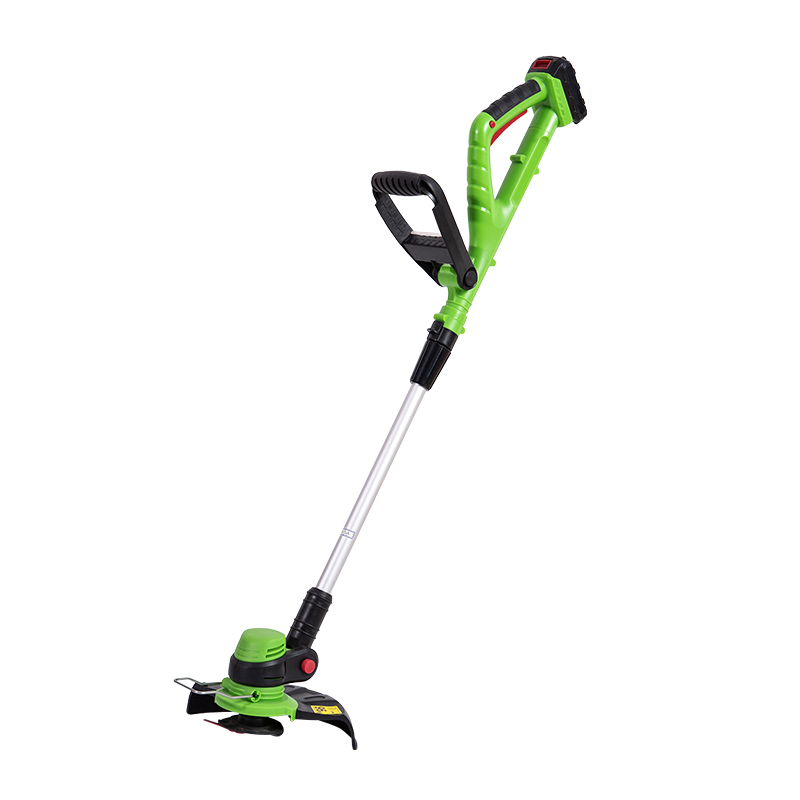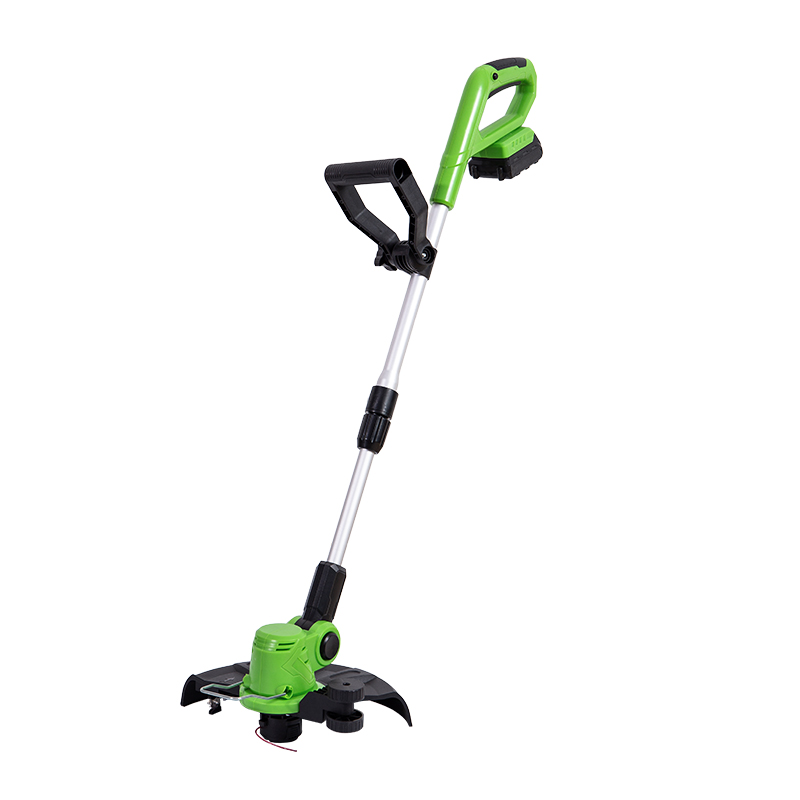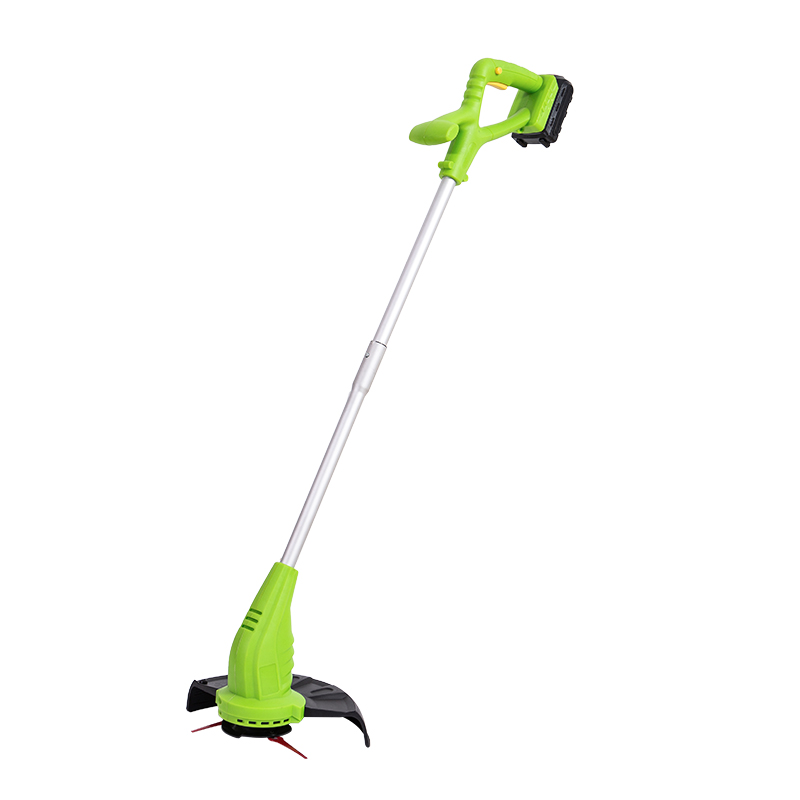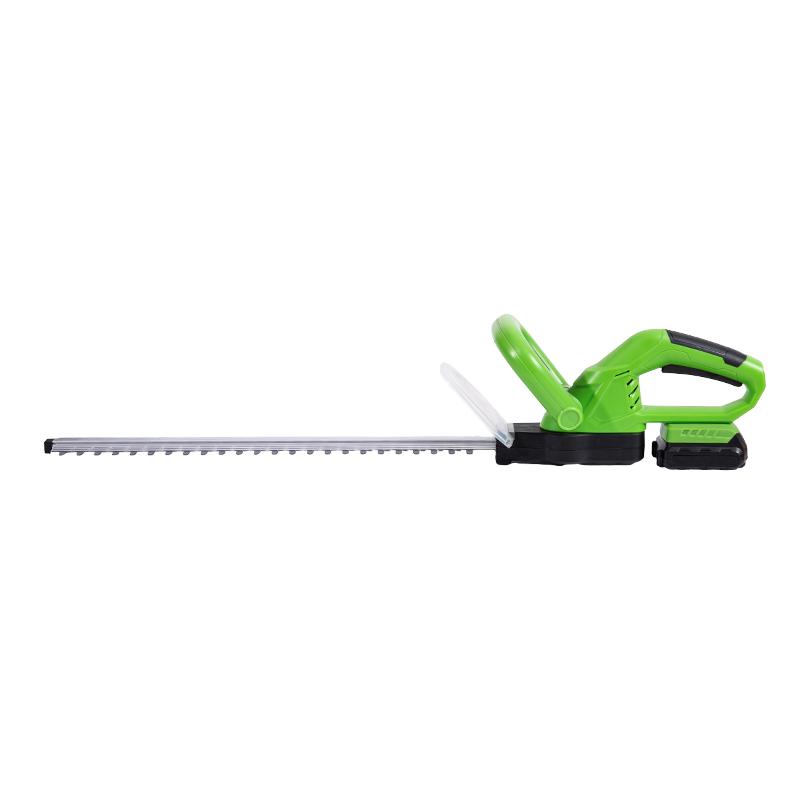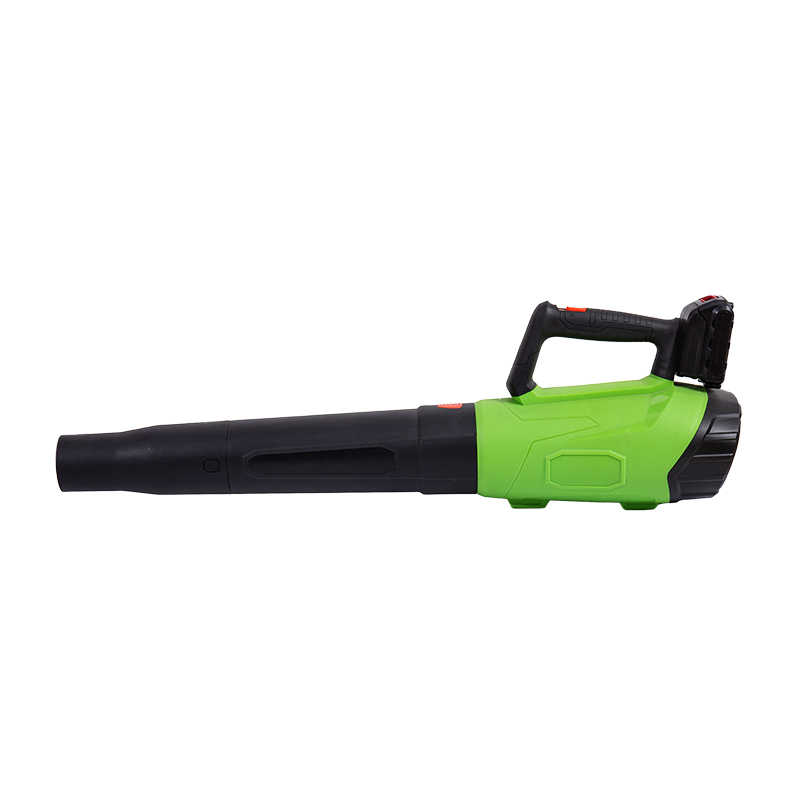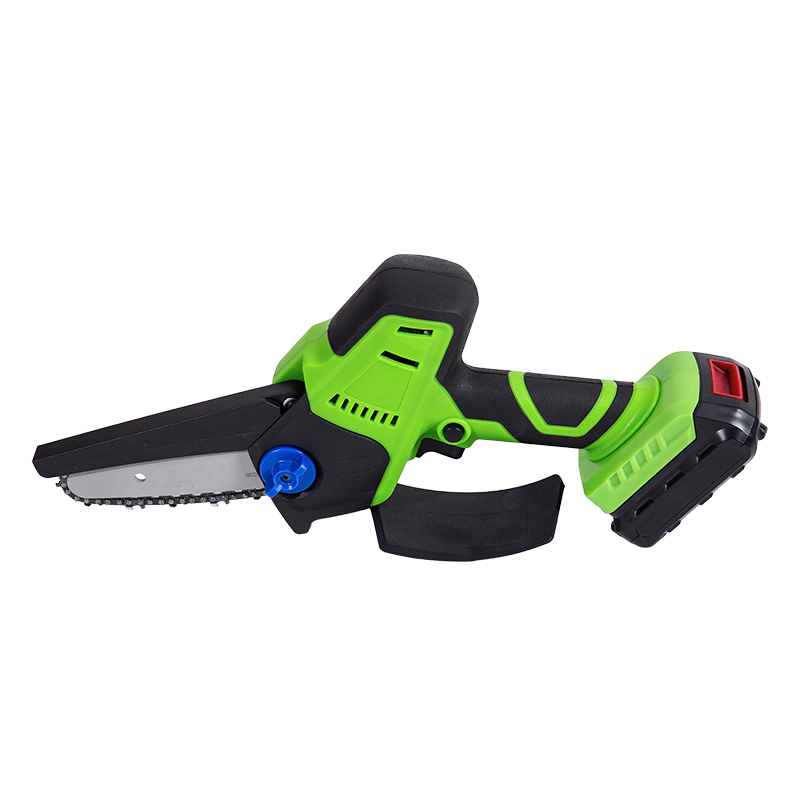
Miksi sähköiset leikkurit ovat ottaneet vallan (ja kuinka valita oikea)
Maisemointilaitteiden markkinoilla on tapahtunut perustavanlaatuinen muutos viimeisen viiden vuoden aikana. Aikoinaan pidettiin esikaupunkien asuntojen alitehoisia leluja, ja ne tarjoavat nyt suorituskykyä, joka kilpailee perinteisten kaasukäyttöisten mallien kanssa – ja joissakin tapauksissa jopa ylittää ne. Akkukemian edistysaskel, harjattoman moottorin tehokkuus ja älykäs virranhallinta ovat tehneet johdottomista lisävarusteista oletusvalinnan sekä kotikäyttäjille että liikemiehille.
Kuitenkin tämä runsas valinnanvara tuo uuden haasteen: analyysin halvaantuminen . Kävele mihin tahansa rautakauppaan tai selaa verkkoa, ja kohtaat huimaavan valikoiman jännitteitä, johtojen halkaisijoita, syöttöjärjestelmiä ja moottorityyppejä. Tämä opas katkaisee markkinoinnin melun. Keskitymme yksinomaan spesifikaatioihin, jotka merkitsevät todellista leikkaustehoa, käyttöaikaa ja pitkän aikavälin arvoa. Kun lopetat lukemisen, tiedät tarkalleen mikä sähköinen narutrimmeri sopii pihasi, budjettiisi ja kunnossapitosi suvaitsevaisuuteen.
Käsittelemme myös jokaisen ostajan mielessä piilevää hiljaista kysymystä: akkukäyttöinen narutrimmeri vs kaasutrimmeri - kumpi todella voittaa? Kuten näette, vastaus riippuu vähemmän tuotemerkkiuskollisuudesta vaan enemmän erityisestä käyttötapauksestasi. Mutta suurimmalle osalle asunnonomistajia vuonna 2026 johdoton sähköalusta tarjoaa parhaan tasapainon tehoa, mukavuutta ja ympäristövastuuta.
Keskeinen näkemys: Globaalien sähköruohonleikkurin markkinoiden ennustetaan kasvavan CAGR:llä 7,2 % vuoteen 2030 mennessä, ja akkukäyttöisten laitteiden osuus on suurin. Tämä muutos johtuu akkuhintojen laskusta (89 % kilowattitunnilta vuoden 2010 jälkeen) ja tiukentuvista päästömääräyksistä Euroopassa ja Pohjois-Amerikassa.
1. Virtalähde: johdollinen vs. johdoton (akku)
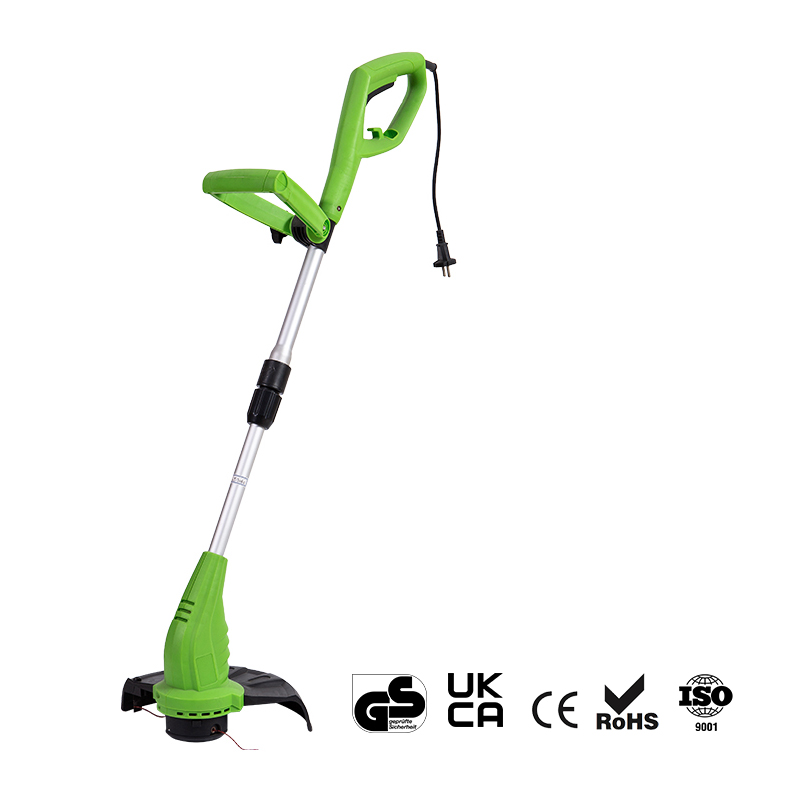
Ensimmäinen tienhaarukka on myös merkittävin: valitsetko johdollisen sähkötrimmerin vai johdoton akkukäyttöisen yksikön? Jokainen palvelee erillistä käyttötapausta, ja väärän valitseminen johtaa päivittäiseen turhautumiseen.
Johdollinen sähkö: rajoittamaton käyttöaika, rajoitettu kantama
Johdolliset trimmerit tarjoavat äärettömän käyttöajan – kunhan sinulla on jatkojohto ja pistorasia. Ne ovat kevyempiä (ei akkua) ja tyypillisesti halvempia etukäteen. Johto rajoittaa kuitenkin liikkumisesi noin 100–150 jalkaan virtalähteestä. Hallitset johtoa jatkuvasti välttääksesi sen katkaisemisen, ja puiden, kukkapenkkien tai aitojen ympärillä liikkumisesta tulee työlästä. Alle 1/4 hehtaarin kiinteistöille, joissa on yksinkertainen geometria, johdollinen malli voi olla edullinen sisääntulopiste.
Langaton (akku): uusi standardi
Akkukäyttöiset trimmerit ovat parantuneet eksponentiaalisesti. Nykyaikaiset 40 V, 60 V ja 80 V järjestelmät tarjoavat vääntömomenttikäyrät, jotka kilpailevat 25 cc:n kaasumoottoreista. Ne ovat hiljaisempia, käynnistyvät välittömästi, eivät vaadi polttoaineen sekoittamista eivätkä tuota pakokaasupäästöjä. Kompromissi on akun hinta ja käyttöajan rajoitukset – mutta vaihdettavien akkujen ja pikalaturien avulla suuretkin pihat ovat hallittavissa. Useimmille käyttäjille langaton sähköinen merkkijono r edustaa optimaalista tasapainoa vapauden ja suorituskyvyn välillä.
Provinkki Jos kiinteistösi pinta-ala on yli 1/2 hehtaaria, investoi toiseen akkuun tai valitse suurikapasiteettinen (8 Ah tai enemmän) akku. Käyttöaika täydellä kuormalla on tyypillisesti 25–45 minuuttia jännitteestä ja johdon halkaisijasta riippuen.
2. 5 avaintietoa, joilla on todella merkitystä
Nämä viisi parametria määrittävät noin 80 % todellisesta kokemuksestasi. Ohita temppuja; keskittyä näihin keskeisiin mittareihin.
Jännite (20V, 40V, 60V, 80V)
Jännite vaikuttaa suoraan moottorin tehoon ja momenttiin. Korkeampi jännite ei automaattisesti tarkoita "parempaa" jokaiselle käyttäjälle - se riippuu pihan koosta ja kasvutiheydestä.
- 20V-40V: Ihanteellinen pienille kaupunkipihoille, patioille ja kevyille reunuksille. Sopii 1/8 acre tai vähemmän. Kevyt ja helppo käsitellä.
- 60V: Makea paikka esikaupunkien nurmikoille jopa 1/2 acre. Käsittelee normaalia ruohoa ja kevyitä rikkaruohoja arvovaltaisesti.
- 80V: Ammattitason teho. Pystyy käsittelemään paksua pensaikkoa ja umpeen kasvaneita peltoja. Vastaa 28-30cc kaasumoottoria.
| Jännite | Paras | Vääntömomentin tunne | Käyttöaika (4Ah) |
|---|---|---|---|
| 20V-40V | Pienet pihat, reunat | Kevyt / kohtalainen | 30-40 min |
| 60V | Esikaupunkien nurmikot (1/2 hehtaaria) | Vahva / johdonmukainen | 25-35 min |
| 80V | Suuret ominaisuudet, raskaat rikkaruohot | Kaasun kaltainen teho | 20-30 min |
Leikkausleveys (karho)
Leveys vaihtelee 12-18 tuumaa. Leveämpi karho kattaa enemmän maata ajoa kohti, mikä vähentää trimmausaikaa. Leveämmät kannet ovat kuitenkin painavampia ja voivat kamppailla ahtaissa kulmissa. Useimmille kotikäyttäjille 15-16 tuumaa tarjoaa parhaan kompromissin nopeuden ja ohjattavuuden välillä.
Viivan halkaisija (aliarvostetut tiedot)
Viivan paksuudella on enemmän merkitystä kuin monet ymmärtävät. Paksumpi viiva vastustaa murtumista ja leikkaa tiheän kasvun läpi, mutta vaatii myös enemmän tehoa.
- 0,065 tuumaa: kevyt; sopii hyvin hoidetuille nurmikoille ja vaalealle ruoholle.
- 0,080 tuumaa: Asuinrakennusten "kultastandardi". Kestää useimpia rikkaruohoja ja paksua ruohoa kestävästi.
- 0,095 tuumaa ja enemmän: raskaaseen käyttöön; suositellaan umpeen kasvaneille alueille, karhunvatukkapensaille ja sitkeille rikkakasveille.
Syöttöjärjestelmä: Bump vs. Auto
Puskurisyöttö (napauttamalla päätä maahan siirtyäksesi linjaan) on luotettavampi ja helpompi hallita. Automaattiset syöttöjärjestelmät väittävät etenevän automaattisesti, mutta käytännössä ne usein juuttuvat tai syöttävät liikaa, mikä kuluttaa siimaa. Kokeneet käyttäjät suosivat jatkuvaa syöttöä sen ennustettavuuden ja alhaisemman epäonnistumisasteen vuoksi.
Moottorityyppi: Harjattu vs. Harjaton
Harjattomat moottorit ovat tehokkaampia, tuottavat suuremman vääntömomentin ja kestävät pidempään, koska niissä ei ole kuluvia kitkaharjoja. Ne maksavat enemmän, mutta tarjoavat paremman käyttöajan ja tehon. Jos budjettisi sallii, valitse harjaton – se maksaa takaisin suorituskyvyn ja pitkäikäisyyden ansiosta.
3. Teknisten tietojen lisäksi: Ergonomia ja akkuekosysteemi
Raakaluvut kertovat vain puolet tarinasta. Yhtä tärkeää on, miten trimmeri tuntuu käsissäsi ja miten se integroituu olemassa oleviin työkaluihisi.
Paino ja tasapaino
Huippuraskas trimmeri väsyttää kätesi muutamassa minuutissa. Kiinnitä huomiota painopisteeseen. Kun akku on asennettu, työkalun tulee tuntua neutraalilta – ei sukeltavalta. Kevyet mallit (alle 10 lbs akun kanssa) ovat parempia pitkäaikaiseen käyttöön. Säädettävät kahvat ja pehmustetut kahvat vähentävät tärinää ja parantavat hallintaa.
Akun ekosysteemi: olet ostamassa alustan
Kun sitoudut jännitealustaan (esim. 40 V tai 60 V), olet lukittu kyseisen merkin akkujärjestelmään. Valitse viisaasti: samat akut toimivat tulevassa lehtipuhaltimessa, pensasleikkurissa, moottorisahassa ja jopa ruohonleikkurissa. Vahvaan ekosysteemiin sijoittaminen säästää satoja dollareita ajan myötä. Aseta etusijalle merkit, jotka tarjoavat laajan valikoiman ulkokäyttöisiä sähkötyökaluja samalla akkualustalla.
Strateginen neuvo: Jos sinulla on jo akkujärjestelmä poraasi tai sahaasi varten, tarkista, tarjoaako merkki nauhatrimmerin kiinnitystä. Jotkut valmistajat sallivat akkujen ristiinyhteensopivuuden, mikä vähentää lisälaturien ja -pakkausten tarvetta.
4. Mitä tulee välttää: Ominaisuudet, jotka kuulostavat hyvältä, mutta joilla ei ole väliä
Valmistajat lisäävät usein "premium"-ominaisuuksia perustellakseen korkeampia hintalappuja. Monet näistä ovat tarpeettomia keskimääräiselle käyttäjälle.
- LED ajovalot: Harvoin tarvitaan päiväleikkaukseen. Lisää kustannuksia ja monimutkaisuutta.
- Bluetooth-yhteys: Käytön seuranta ja laiteohjelmistopäivitykset ovat liikoja trimmerille. Et tarvitse sovellusta ruohon leikkaamiseen.
- Automaattinen linjan käämitys: Usein jumiutuu ja on vaikeampi ladata kuin manuaalinen käämitys. Yksinkertainen kela on luotettavampi.
- Taitettavat akselit: Vaikka taittomekanismit ovat kätevät säilytykseen, ne aiheuttavat heikkoja kohtia ja tärinää. Kiinteät akselit ovat kestävämpiä.
Keskity viiteen ydinominaisuuksiin ja ergonomiaan. Kaikki muu on perifeeriaa.
5. Pikasuositus pihatyypin mukaan
Käytä tätä matriisia sovittaaksesi kiinteistösi ihanteelliseen kokoonpanoon. Valitse pihan koko ja rikkaruohojen tiheys ja noudata ehdotettuja teknisiä tietoja.
| Pihan tyyppi | Jännite | Leikkausleveys | Viivan halkaisija | Moottori |
|---|---|---|---|---|
| Pieni kaupunki / patio | 20V-40V | 12-14 tuumaa | 0,065 tuumaa | Harjattu (budget) / Brushless |
| Tavallinen esikaupunki (1/4–1/2 aaria) | 40V-60V | 15-16 tuumaa | 0,080 tuumaa | Harjaton recommended |
| Suuri omaisuus / raskaat rikkaruohot | 80V | 16-17 tuumaa | 0,095 tuumaa | Harjaton (high torque) |
Kiinteistöissä, joissa on vaihteleva maasto (rinteet, kukkapenkit, aidat), aseta ohjattavuus etusijalle: kevyempi 40 V–60 V yksikkö 15 tuuman karholla ja 0,080 linjalla tarjoaa parhaan suorituskyvyn.
FAQ: Nopeat vastaukset yleisiin kysymyksiin
K1: Pystyykö sähköinen trimmeri käsittelemään paksuja rikkaruohoja ja umpeenkasvua?
Kyllä, mutta vain jos valitset oikeat tiedot. Etsi 80 V:n harjaton malli, jossa on 0,095 tuuman tai paksumpi viiva. Tämä yhdistelmä tuottaa kaasumaisen vääntömomentin, joka pystyy leikkaamaan tiheät rikkaruohot, karhunvatukkakepit ja kevyet harjat. Jos haluat erittäin voimakkaan kasvun, harkitse terästeräkiinnitystä, jos trimmerisi tukee sitä.
Q2: Kuinka kauan akku kestää tavallisella latauksella?
Käyttöaika riippuu jännitteestä, akun kapasiteetista (Ah) ja työkuormasta. 4 Ah:n akku 40 V:lla tarjoaa tavallisesti 25–35 minuuttia jatkuvaa trimmausta normaaleissa olosuhteissa. 60 V:lla samalla kapasiteetilla käyttöaika putoaa 20–30 minuuttiin suuremman virrankulutuksen vuoksi. Suurille pihoille osta toinen akku tai valitse 8 Ah:n pakkaus.
Q3: Mitä eroa on narutrimmerin ja rikkakasvien syöjällä?
Teknisesti ei ole toiminnallista eroa – molemmat termit kuvaavat samaa työkalua. "Weed Eater" on yleinen tavaramerkki, joka on peräisin Weed Eater -brändistä, kun taas "stringtrimmeri" on yleisin termi. Joillakin alueilla käytetään myös "weed whacker" tai "line trimmeriä". Kaikki viittaavat laitteeseen, joka käyttää pyörivää nylonsiimaa ruohon ja rikkaruohojen leikkaamiseen.
Q4: Kannattaako harjattomasta moottorista maksaa ylimääräistä?
Useimmille käyttäjille kyllä. Harjattomat moottorit ovat tehokkaampia, mikä tarkoittaa pidempää käyttöaikaa latausta kohden ja suurempaa vääntömomenttia, kun osut paksuihin kohtiin. Niissä ei myöskään ole vaihdettavia harjoja, joten ne kestävät huomattavasti pidempään. Ensiluokkainen suorituskyky ja kestävyys palautuvat yleensä 2–3 säännöllisen käytön aikana.
Q5: Voinko käyttää minkä tahansa merkkistä akkua trimmerini kanssa?
Ei. Akut ovat jokaisen valmistajan jännitealustan omia. Brand X:n 40 V akku ei sovi Y-merkin trimmeriin tai kommunikoi sen kanssa, vaikka jännite olisi sama. Osta aina työkalusi kanssa saman merkin akut. Jotkut merkit tarjoavat kuitenkin sovittimia, mutta ne ovat harvinaisia ja heikentävät usein suorituskykyä.
Johtopäätös: Tee oikea valinta
Oikean valinta sähköinen narutrimmeri ei ole kyse kalleimman tai monipuolisimman mallin löytämisestä. Kyse on ydintietojen – jännitteen, leikkuuleveyden, linjan halkaisijan, syöttöjärjestelmän ja moottorin tyypin – yhteensovittamisesta omiin pihaolosuhteisiin ja käyttötapoihin. 60 V:n harjaton trimmeri, jossa on 15 tuuman karho ja 0,080 tuuman siima, palvelee loistavasti valtaosaa esikaupunkien asunnon omistajista. Pienemmille kiinteistöille 40 V:n yksikkö säästää painoa ja rahaa. Raskaassa työssä nosta 80 V:iin paksummalla johdolla.
Muista: tänään valitsemasi akkualusta muokkaa ulkotyökalusi ekosysteemiä vuosiksi. Investoi järjestelmään, joka tarjoaa laajan valikoiman työkaluja puhaltimista moottorisahoihin pitkän aikavälin arvon maksimoimiseksi. Vältä temppuja, jotka lisäävät kustannuksia ilman todellista hyötyä. Nyt kun ymmärrät, mikä on todella tärkeää, voit tehdä ostoksia luottavaisin mielin ja vähentää markkinoinnin melua.
Viimeinen takeaway: Aseta etusijalle harjattomat moottorit, 0,080 tuuman linja ja mukava tasapaino. Kaikki muu on toissijaista.